Friday, April 29, 2011

Thursday, April 28, 2011
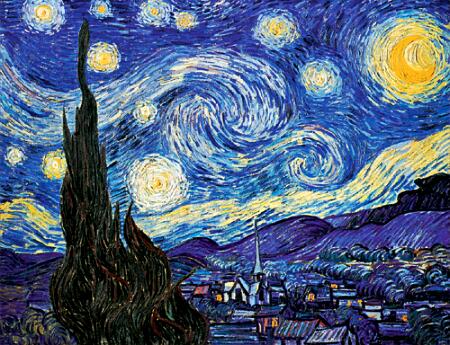
Posted here are some of the most famous Impressionist Artwork. Most of the paintings didn't become famous until after the painters were dead, like many artists.
 by Camille Pissarro
 by Berthe Morisot
 Water Lilies
 La Prominade

Monday, April 25, 2011
Popular Artists

The Seven World Famous Impressionist Painters
Each of the seven famous artists who Launched French Impressionism had a different approach to art and to their development as an artist. Edouard Manet (1832-83), regarded by the other Impressionist painters as their leader, was related to the French Emperor, and by the age of twenty-nine was already accepted as the leading figure of the new realistic painting, prior to Impressionism. Noted for his modern approach to oil painting and his revolutionery reinterpretations of neoclassical themes, Manet was interested above all in becoming re-accepted by the Salon. Edgar Degas (1834-1917), who was two years younger than Manet, came from the same social background. The two painters, both pure city people, became friends and frequented the same circles in Parisian society. Degas was arguably the most complex of all the founders of Impressionist art: initially he hated plein-air painting and preferred working in his studio, where he demonstrated amazing versatility in drawing, watercolours, pastels, and sculpture. Another artist who came from a wealthy family was Paul Cezanne (1839-1906), son of a banker from Aix. Due to his shyness and southern, rustic ways he had problems in the best Parisian circles. When he was given a large exhibition in Paris in 1895, he had not exhibited a painting in the city for 20 years. Camille Pissarro (1830-1903), a great teacher, was the most prolific printmaker of the group and the only one to show at all the Impressionist exhibitions. A lifelong anarchist, he made almost no money. By comparison, the loner Alfred Sisley (1839-1899) - the most dedicated landscape artist after Monet - lived a middle-class lifestyle, and only became dependent on his art in middle age. Claude Monet (1840-1926) became the centre of attention in the movement. Helped by the coastal and beach scene Impressionist Eugene Boudin (1824-98), Monet had the greatest knowledge of plein air painting, and introduced very advanced ideas on landscape painting into the circle. His late studies of waterlilies echo the expressionism of JMW Turner. Auguste Renoir (1841-1919), who came from a very poor family, literally had to starve to succeed as an artist. He was helped by Narcisse Diaz, one of the founders of the Barbizon School, and worked closely with Monet on landscapes before moving into studio work involving portraiture and figurative painting.
The most important female Impressionist painters were Berthe Morisot (1841-95) and Mary Cassatt (1845-1926).
Contributed by the ENCYCLOPEDIA OF ART